
Okay, so check this out—I’ve been living with hardware wallets for years. Really. At first it felt like overkill. But then a few near-misses with custodial snafus and exchange outages changed my mind. Whoa! The relief of holding your own keys is real. My instinct said “keep it cold,” and that gut feeling turned into a routine: hardware, redundancy, and a little paranoia. I’m biased, but that’s the truth.
Short version: if you want maximum security for your crypto holdings, a hardware wallet is the baseline. But don’t confuse baseline with finished. There are three pieces that matter most for folks juggling multiple coins: reliable multi-currency support, safe firmware updates, and the math/risks behind staking from a device. I’ll walk through each, with practical tips and the things that bug me about the current landscape.
First impressions matter. Multi-currency support used to be a mess. Seriously? Back then you’d carry five different devices for ten coins. Now it’s much better. But the details still matter—app architecture, coin-specific quirks, and what happens when you want to move a legacy token. Initially I thought one device could really do it all, but then I ran into a token that needed a third-party app, and, well—complexity crept in.
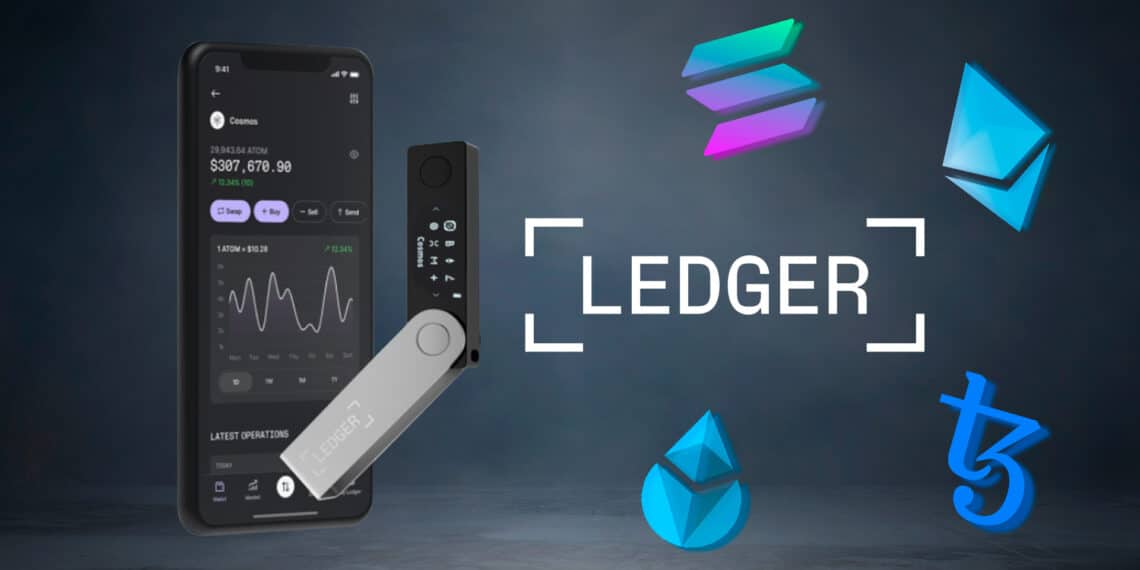
Multi-currency support: flexibility vs. complexity
Multi-currency support is the headline feature. But here’s the snag: supporting many assets often means relying on companion apps and third-party integrations. Some devices store apps locally; others use a bridge app on your computer or phone. Both have trade-offs. If you want the broadest coverage, choose a wallet with a mature ecosystem and clear policies for adding new coins. That ecosystem could be a big benefit—or a vector for confusion.
My working rule: keep critical holdings on well-supported chains (BTC, ETH, major L2s) and treat exotic tokens like experiment money unless you really know the ledger—small pun intended. Oh—and speaking of ecosystems, use the official manager tools when possible. For example, ledger has an integrated flow that keeps things more streamlined. It’s not flawless, but it reduces friction when adding apps or checking balances.
Here’s the human part: I once tried to move a small NFT off a cold wallet and spent 45 minutes wrestling with a third-party bridge that didn’t like my device’s app version. Ugh. That kind of friction makes you appreciate cleaner, well-supported stacks.
Firmware updates: the paradox of security
Firmware updates are weirdly emotional. On one hand, updates patch vulnerabilities and add useful features. On the other hand, updating feels risky—you’re running new code on the thing that holds your keys. Hmm… The honest answer? Do updates. But do them carefully.
Here’s the step-by-step approach that I use. First, verify the update source. Always update via the device maker’s official tool or website—never from random links. Second, read release notes when they exist. They often explain changed signing algorithms, new crypto libraries, or hardware compatibility notes. Third, keep a tested backup of your seed phrase offline, and test your recovery process on a new device or emulator if you can (in a safe, offline setup).
Initially I thought updates could wait. Actually, wait—let me rephrase that: I used to delay because I worried about bricking the device mid-update. Then I realized the security risk of not updating was often higher than the small chance of failure, provided I followed the maker’s instructions and had a valid backup. On one hand, updates can fix important bugs; on the other hand, rushed updates without verification are dangerous. Balance is key.
Also, manufacturers tend to use signed firmware. Verify the signature. If the vendor supplies an official verification method, use it. And if you ever get a firmware prompt out of the blue—stop. Step away. Confirm it on an official site or community channel first. Somethin’ about social-engineered update prompts still gives me the chills.
Staking from a hardware wallet: rewards and tradeoffs
Staking is attractive because it turns idle crypto into yield. But when you stake from a hardware wallet, the model is different than custodial staking. Usually, staking through your device means delegating while keeping custody of keys. That’s powerful. It keeps control and unlocks rewards. But read the fine print: some staking flows require third-party validators or smart contracts that introduce additional trust assumptions.
Risk profile: lower custodian risk, higher operational nuance. You need to check validator reputation, fee structure, and the unstaking period. For example, some chains have a long lock-up that can hamper liquidity. I like delegations with transparent validators who publish performance metrics. Also, prefer architectures that let you re-delegate without exposing your private key—this is what many hardware wallets enable through secure signing.
One quick caveat: if you plan to stake many different coins, the UX can get messy. Some staking interfaces work directly in the hardware wallet companion app; others route through decentralized apps that prompt device signatures. Keep your device firmware and manager app up to date to minimize signature mismatches. And frankly, if staking is core to your strategy, test the whole flow with a small amount first. Very very important.
FAQ
Can I store dozens of different coins on one hardware wallet?
Yes, most modern hardware wallets support many assets through apps or integrations. But support levels vary. For risky or obscure tokens, expect to use third-party tools. Keep major assets on well-supported apps and test uncommon token workflows with small amounts first.
How should I handle firmware updates safely?
Update via the official companion app or website, verify signatures if provided, read release notes, and keep a secure offline backup of your seed phrase. If an update prompt seems suspicious, pause and verify before proceeding.
Is staking from a hardware wallet safe?
Generally, yes—staking from a hardware wallet keeps custody of your keys and reduces counterparty risk. However, validator choice, network lock-up periods, and third-party interfaces introduce other risks. Start small, check validator performance, and understand the chain’s unstaking rules.

Add comment